
Living off the grid offers a unique lifestyle that combines self-sufficiency, sustainability, and a closer connection to nature. However, it requires thoughtful planning and practical knowledge to maintain a comfortable and efficient living environment. Here are some essential tips for off-grid cabin life, covering everything from choosing the right location to managing energy, water, and waste systems.
Choosing your off-grid location
Before you even think about building, let’s talk land – because where you build is just as important as what you build. The ideal off-grid property offers access to natural resources: good solar exposure for energy generation, reliable water sources (whether rainwater catchment potential or existing springs/bores), and, if you’re lucky, consistent wind for supplementary power generation.
Consider the practical factors too. Soil quality and elevation matter for drainage and foundation stability. Access roads (even rough ones) make delivery and ongoing supplies manageable. And while privacy is part of the appeal, being completely isolated can create challenges for emergencies or initial setup.
Take time to understand your land’s microclimate, prevailing winds, sun paths throughout the year, and natural water flows. These factors will inform every decision you make about your off-grid systems.
Generating power with renewable energy sources
Electricity is necessary for most modern conveniences, even in an off-grid cabin. Renewable energy sources like solar and wind power are ideal for generating electricity without relying on the grid.
Solar power systems
Solar panels are the backbone of most off-grid power systems. Install them on your roof or in a sunny area to capture sunlight and convert it into electricity. A solar power system typically includes panels, an inverter, and batteries to store excess energy for use during cloudy days or at night.
Modern battery storage technology has advanced dramatically in recent years. Lithium batteries are more efficient, longer-lasting, and safer than ever before. When sizing your battery bank, consider your typical daily energy consumption and aim for enough storage to cover several cloudy days. Position batteries in a protected, accessible location – secure, at ground level for easier installation and maintenance, and away from extreme temperatures.
Wind power and hybrid systems
If your location experiences consistent wind, a wind turbine can complement your solar system beautifully, generating power during overcast days and at night when solar production drops. A hybrid system combining solar and wind energy can ensure a more stable power supply throughout the year, with each source covering the other’s weak points.
Backup power solutions
While the goal is renewable energy independence, a backup generator (running on biofuel or LPG) provides peace of mind for extended periods of low generation. Many off-gridders find they rarely need it, but appreciate knowing it’s there during those rare stretches of still, cloudy weather or when energy demands temporarily spike.
Energy management
To manage energy consumption effectively, use energy-efficient appliances and LED lighting throughout your cabin. Consider your energy use patterns – perhaps running high-draw appliances like washing machines during peak solar production hours. Monitor your system to understand your consumption patterns and adjust accordingly.
Efficient water management for off-grid living
Access to clean water is essential for off-grid living, and you have several options depending on your location.
Rainwater Harvesting
Rainwater harvesting involves setting up gutters and downspouts on your cabin to collect rainwater in storage tanks. The size of your roof determines your catchment potential – larger roofs collect more water. This collected water can be filtered and purified for drinking, cooking, and all household uses.
Calculate your annual rainfall and roof area to understand how much water you can realistically collect. In many Australian locations, even a modest roof can collect tens of thousands of litres annually.
Bore Water and Natural Springs
If you’re using bore water or have access to a natural spring, ensure the source provides a steady supply. For bore water, the well needs to be deep enough and properly constructed. Always have your water tested regularly for safety – what looks clean may contain bacteria, minerals, or other contaminants.
A solar-powered pump is an excellent choice for drawing water from bores or springs to your cabin. It operates during daylight hours (when you have solar power) and can be paired with a storage tank to ensure constant water availability.
Water Filtration and Treatment
Regardless of your water source, proper filtration and purification is non-negotiable. Multi-stage filtration systems can remove sediment, bacteria, and other contaminants. For drinking water, consider UV purification or reverse osmosis systems. The investment in quality filtration pays off in health security and peace of mind.
Greywater Systems
For wastewater management, greywater systems reuse water from sinks, showers, and washing machines for irrigation or other non-potable uses. This dramatically reduces your overall water consumption and makes every drop work harder. A simple greywater system filters the water through gravel and plants before using it in your garden, while more sophisticated systems can treat water for toilet flushing.
Design your greywater system to keep it separate from blackwater (toilet waste), and use biodegradable, greywater-safe soaps and detergents to protect your garden and soil.

Staying warm in your off-grid cabin
Keeping warm is a top priority for off-grid living, especially in colder climates. A well-insulated cabin is the first step in maintaining comfortable temperatures throughout the year. Ensure walls, roof, and floors are properly insulated, and that windows are double-glazed to retain heat while providing natural light and reducing condensation.
Wood heating
A wood-burning stove or slow combustion heater is often the heart of an off-grid home. It efficiently heats your cabin while also serving as a cooktop – genuine multi-purpose functionality that saves both space and energy. Make sure to have a reliable supply of firewood, which you can gather and process during the warmer months. Properly seasoned wood burns more efficiently and produces less creosote buildup.
Remember to have good ventilation in place to prevent moisture build-up and ensure the safe operation of any heating equipment. A well-designed flue system is essential for safety and efficiency.
Passive solar design
Strategic design choices can dramatically reduce your heating needs. Large north-facing windows capture winter sun, warming your interior space naturally. Combine this with thermal mass – concrete floors, brick walls, or stone features – that store heat during the day and slowly release it throughout the evening and night.
In summer, these same windows can be shaded with eaves or awnings to prevent overheating, while well-positioned windows and vents create cross-ventilation. This pulls cool air through your cabin while expelling hot air naturally, reducing or eliminating the need for mechanical cooling.
Design your window placement to work with your site’s specific orientation and prevailing winds. The initial planning investment pays dividends in year-round comfort with minimal energy input.
Sustainable waste management
Proper waste management is crucial for maintaining a clean, healthy, and environmentally responsible off-grid lifestyle.
Composting toilets
Composting toilets have evolved significantly from basic models to sophisticated systems that efficiently decompose waste through aerobic processes. Modern composting toilets require no water, produce no odours (when properly maintained), and create usable compost for your garden – perfect for non-edible plants.
They’re ideal for off-grid properties where septic systems aren’t viable, desired, or affordable. Various models suit different needs and budgets, from simple batch systems to more complex continuous composters with fans and heating elements.
Septic systems
If local regulations require or you prefer a more traditional approach, septic systems can manage blackwater waste effectively. Ensure your system is properly sized for your household, correctly installed, and regularly maintained. In some locations, you may need specific permits and inspections.
General Waste Management
Living off-grid often means you’re more conscious of the waste you generate. Composting kitchen scraps, recycling where possible, and minimizing packaging waste all become second nature. Many off-gridders find they produce a fraction of the waste they generated in conventional living, simply through increased awareness and intentionality.
Maintaining a comfortable off-grid lifestyle
Comfort is key to enjoying off-grid living, and there are several ways to ensure your cabin remains a pleasant and welcoming space.
Organisation
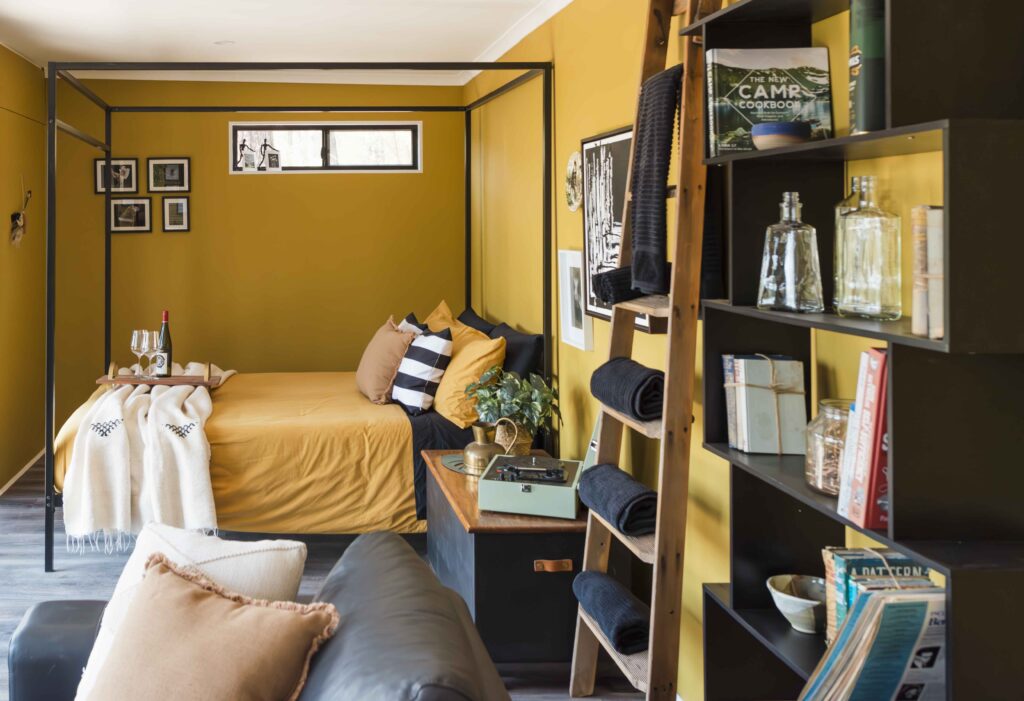
Create a well-organised living area that maximises space and functionality. Use multi-purpose furniture – sofa beds, fold-down tables, storage ottomans – to save space and add versatility to your cabin. In smaller cabins, every piece of furniture should earn its place through usefulness.
Ventilation and Air Quality
Proper ventilation is essential to prevent moisture build-up and maintain good air quality, particularly if you’re using combustion heating. Install vents or windows that can be opened to allow fresh air to circulate. Use fans powered by your renewable energy system to improve airflow and keep the cabin cool during warmer months.
Lighting
Lighting affects both comfort and safety. Make maximum use of natural light during the day through well-positioned windows and skylights. For evening use, LED lights are incredibly efficient, drawing minimal power from your solar system while providing excellent illumination. Consider task lighting for specific areas rather than flooding entire spaces with light.
Staying connected while living off the grid
While one of the appeals of off-grid living is disconnecting from modern society, staying connected is still essential for safety and communication.
Internet and Communication
A satellite internet connection can provide reliable access to the internet, allowing you to stay in touch with family, access information, work remotely, or simply stream entertainment on quiet evenings. For power, use solar chargers or portable battery banks to keep essential devices like phones and radios operational.
Emergency Preparedness
Have a backup communication plan in case of emergencies. A satellite phone or two-way radio can be invaluable if you’re in a remote area with no mobile phone reception. Keep a well-stocked emergency kit including a first aid kit, fire extinguisher, basic tools, and essential supplies. Know your evacuation routes and have a plan for different emergency scenarios.
Embracing the off-grid lifestyle
Living off the grid requires careful planning, resourcefulness, and a willingness to adapt. With the right preparation and mindset, you can create a self-sufficient lifestyle that offers freedom, independence, and a deeper connection to nature.
The learning curve can be steep initially – you’ll become intimately familiar with your energy production, water storage levels, weather patterns, and seasonal rhythms. But this knowledge brings confidence and capability. You’ll develop skills that few people in modern society possess and gain genuine self-reliance.
Off-grid living isn’t about hardship. It’s about intentionality, sustainability, and creating a life aligned with your values. With thoughtful systems, quality infrastructure, and practical knowledge, off-grid life can be as comfortable – and often more satisfying – than conventional living.
Looking to escape to an off-grid lifestyle?
Download our Design Price Guide and start today.

Already downloaded our Design Price Guide and ready to take the next step?
Let’s meet. Book a callback from one of our friendly team.