
Update October 2026: The NCC 2022 changes covered here, including energy efficiency, livable housing and condensation, are now in force. NCC 2025 was published on 1 May 2026, and states are adopting it on different dates through to May 2027. Until then, NCC 2022 still applies in most states.
NCC 2022 brought in major changes, aimed at Australia’s net zero 2050 target and an ageing population.
The changes are good news. The updated livable housing standard is a significant improvement in providing more inclusive and accessible housing options for people with physical disabilities and allowing Australians to stay in their homes longer as they age.
The changes to energy efficiency and condensation mitigation measures aim to make homes cheaper to run, improve indoor air quality, and enhance the overall comfort and health of the home.
But these NCC changes require substantial modifications to home designs and mandatory inclusions, resulting in higher construction costs across the industry.
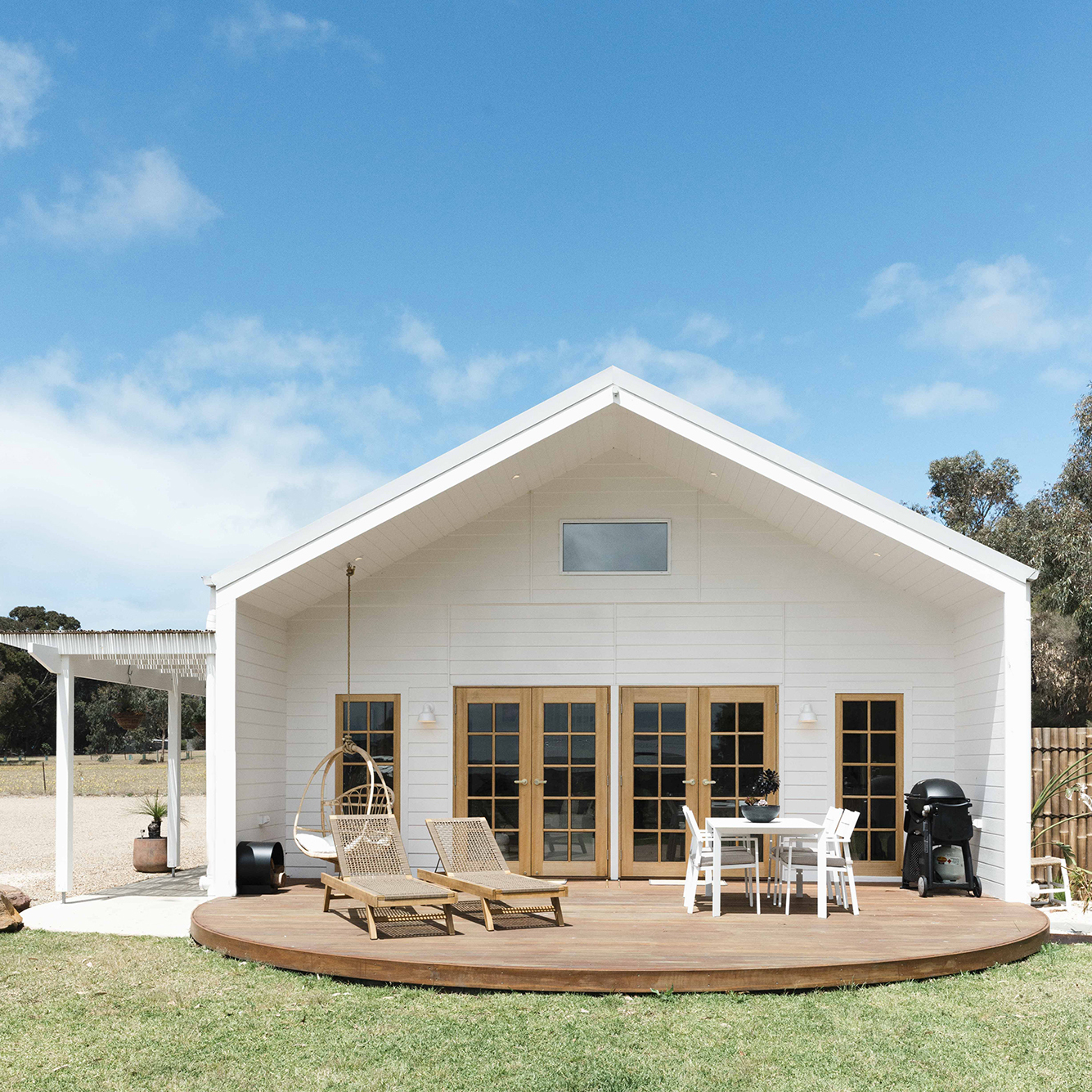
Understanding the NCC Changes
Whether you are considering building traditionally or with a prefabricated, modular structure such as a Cedarspan barn, these changes apply. They impact both the core building and the internal fit-out.
So, what are the key changes affecting costs?
- Livable Housing
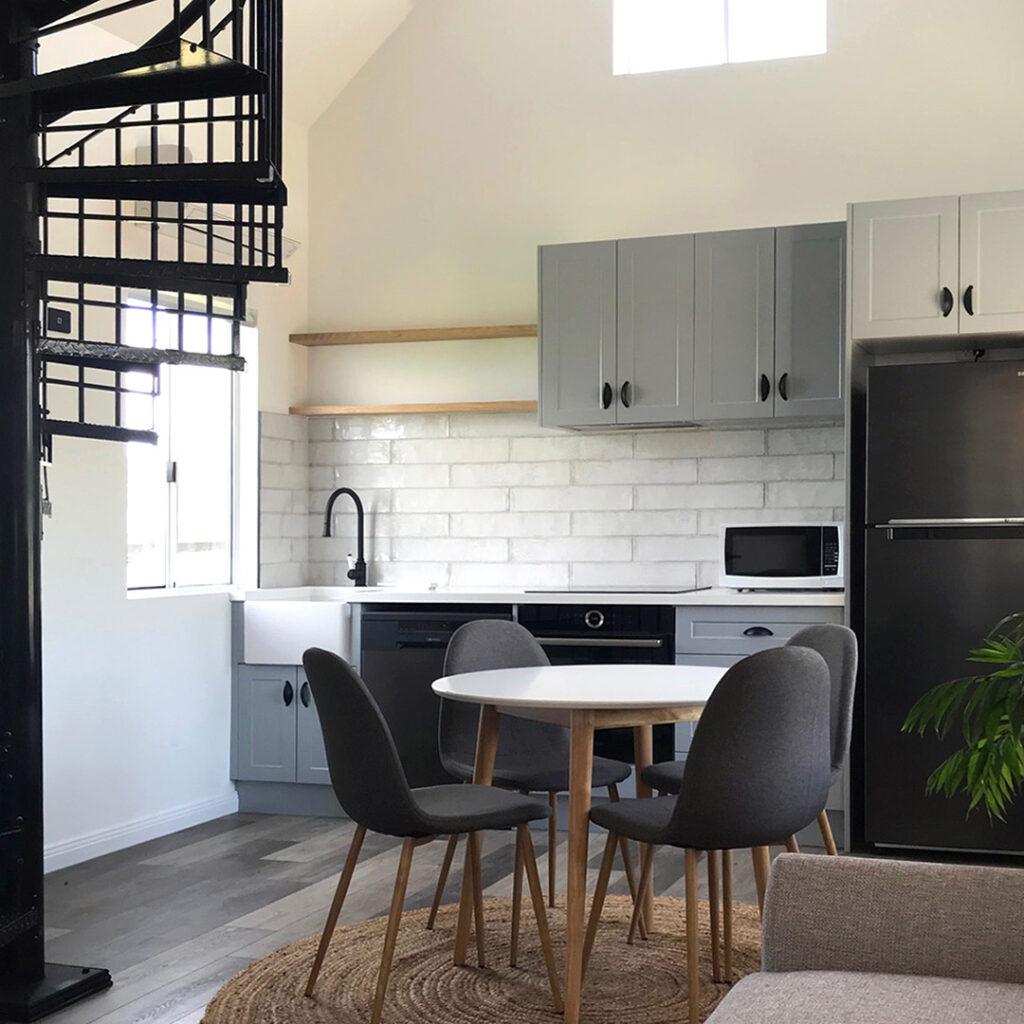
These changes are quite specific and apply to all new home builds. New accessibility and adaptability requirements necessitate wider doors, step-free access, and modified bathroom designs.
- Energy Efficiency
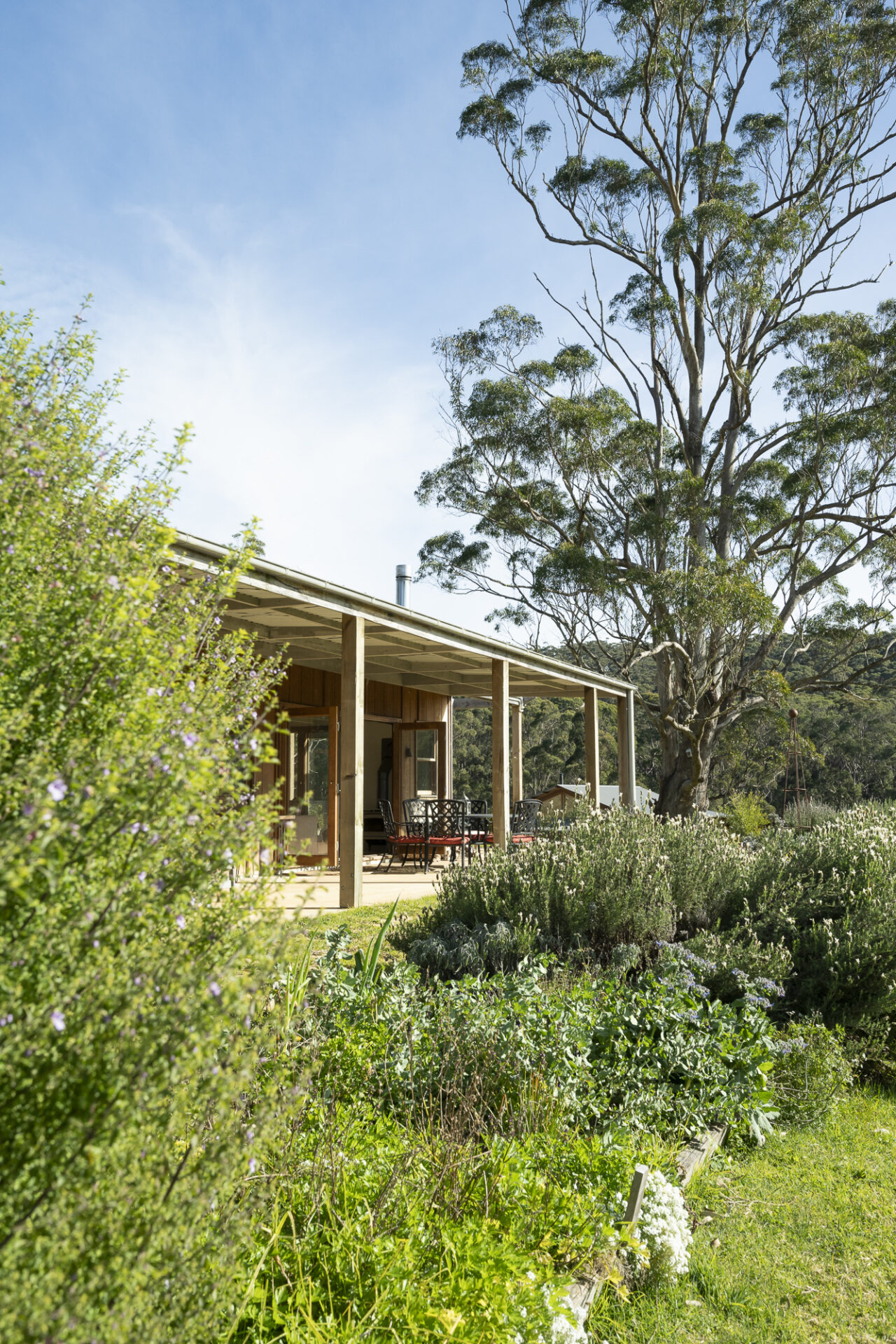
The exact approach required to achieve a 7-star energy rating is dependent on your specific site and design. The shift from 6 Star to 7 Star energy rating may require enhanced insulation, upgraded glazing, and possibly the inclusion of solar panels. There may also be design considerations such as position and size of doors and windows, adjustments to eaves, placement of covered outdoor living areas, building orientation and even the external colours used.
- Condensation Management
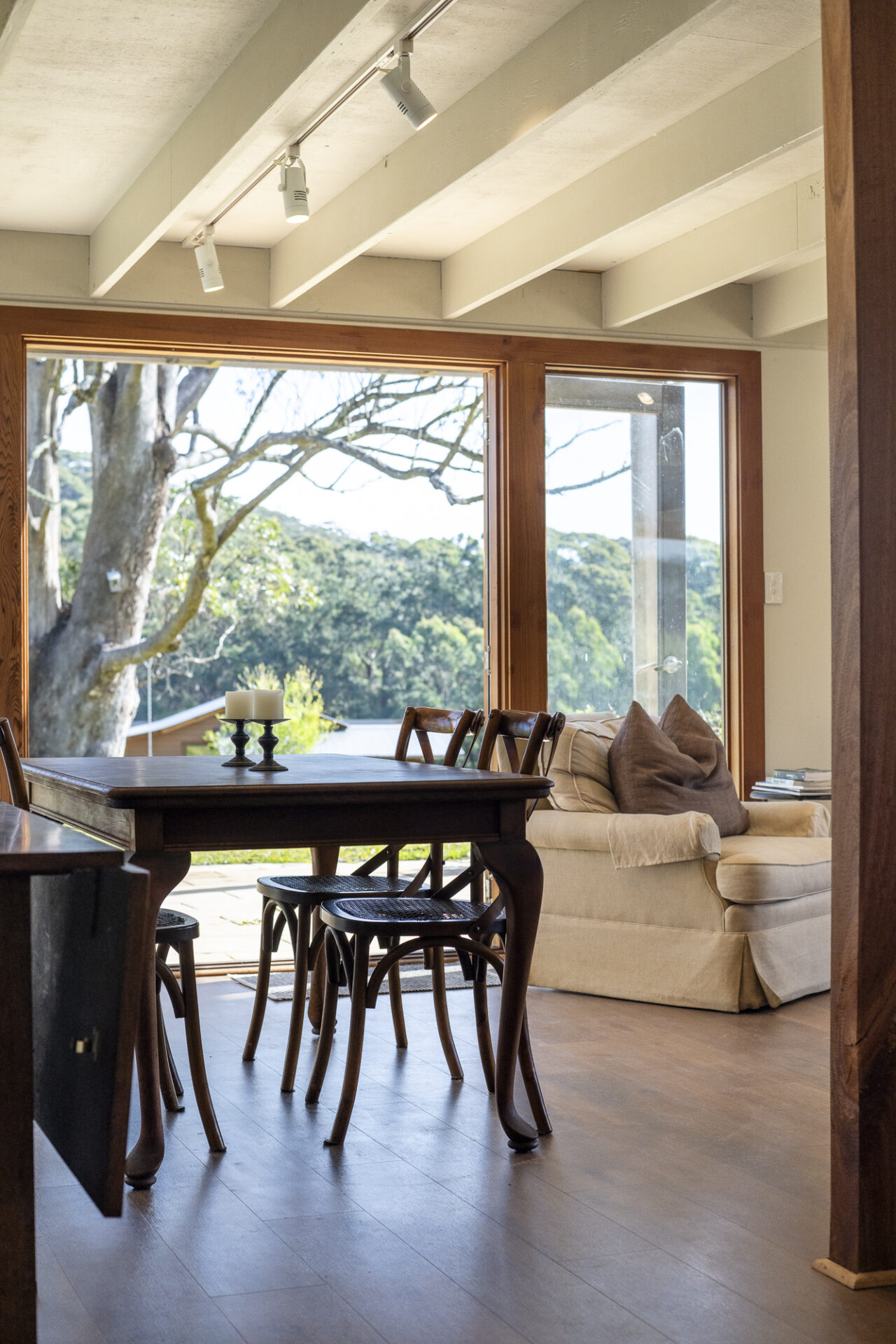
New ventilation and moisture control measures are mandatory for all new builds to improve the internal environment and avoid future hazards caused by condensation. This includes direct external ducting for rangehoods and exhaust fans, automated ventilation in windowless wet areas, specific vapour permeance ratings for wall wraps and additional ventilation in roof spaces.
These changes, while beneficial for long-term living, do add complexity and cost to the building process.
Exemptions
While these changes impact the majority of all new builds, as always, some exemptions exist, based on some very specific allotment size and shape criteria.
Allotments 10m or less
If your allotment is 10m or less wide and had a land division lodged before January 1st, 2024, you might be exempt from the new Livable Housing and Energy efficiency requirements.
Irregular shaped allotment <300m2
If your allotment is irregularly shaped and under 300m2, and had a land division lodged before January 1st, 2024, you might also be exempt from the Livable Housing and Energy efficiency requirements.
In both scenarios, it’s essential to note that you still need to plan for future grab rails and effective condensation management.
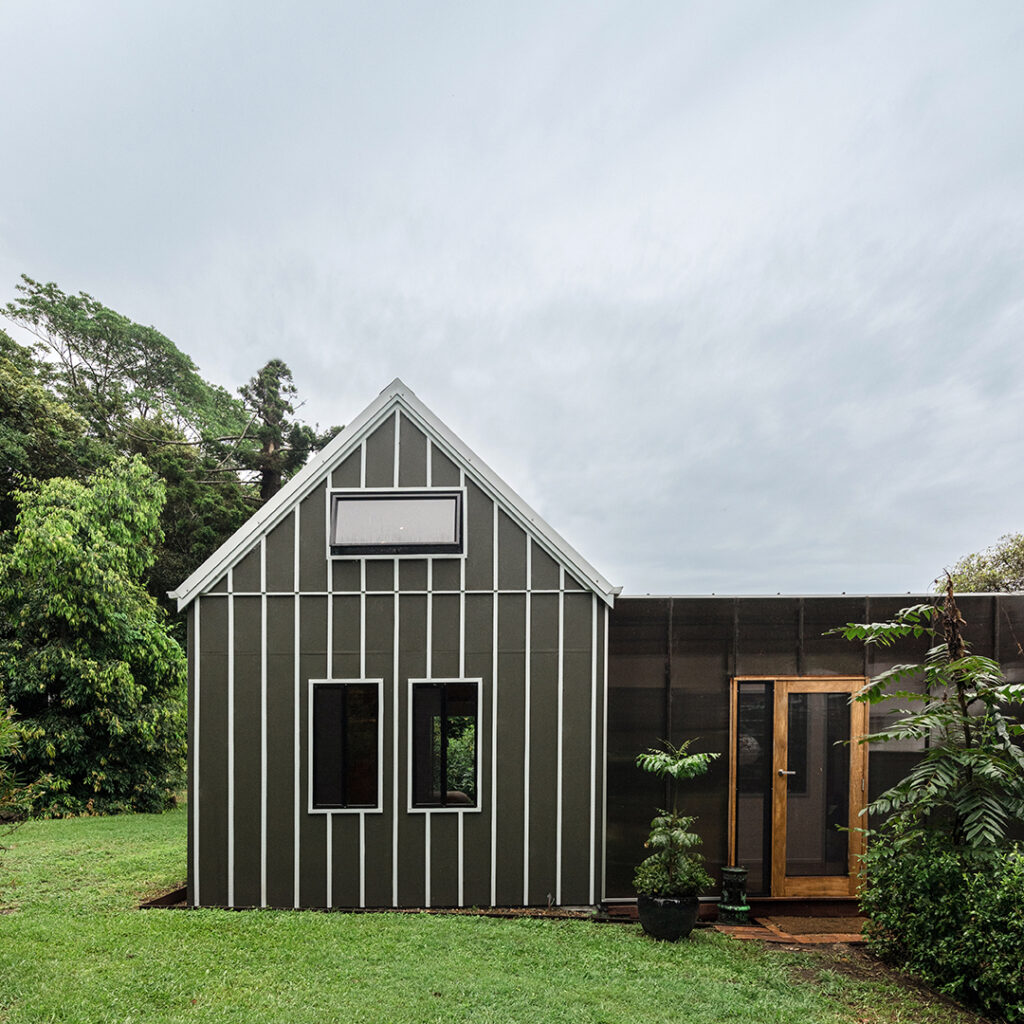
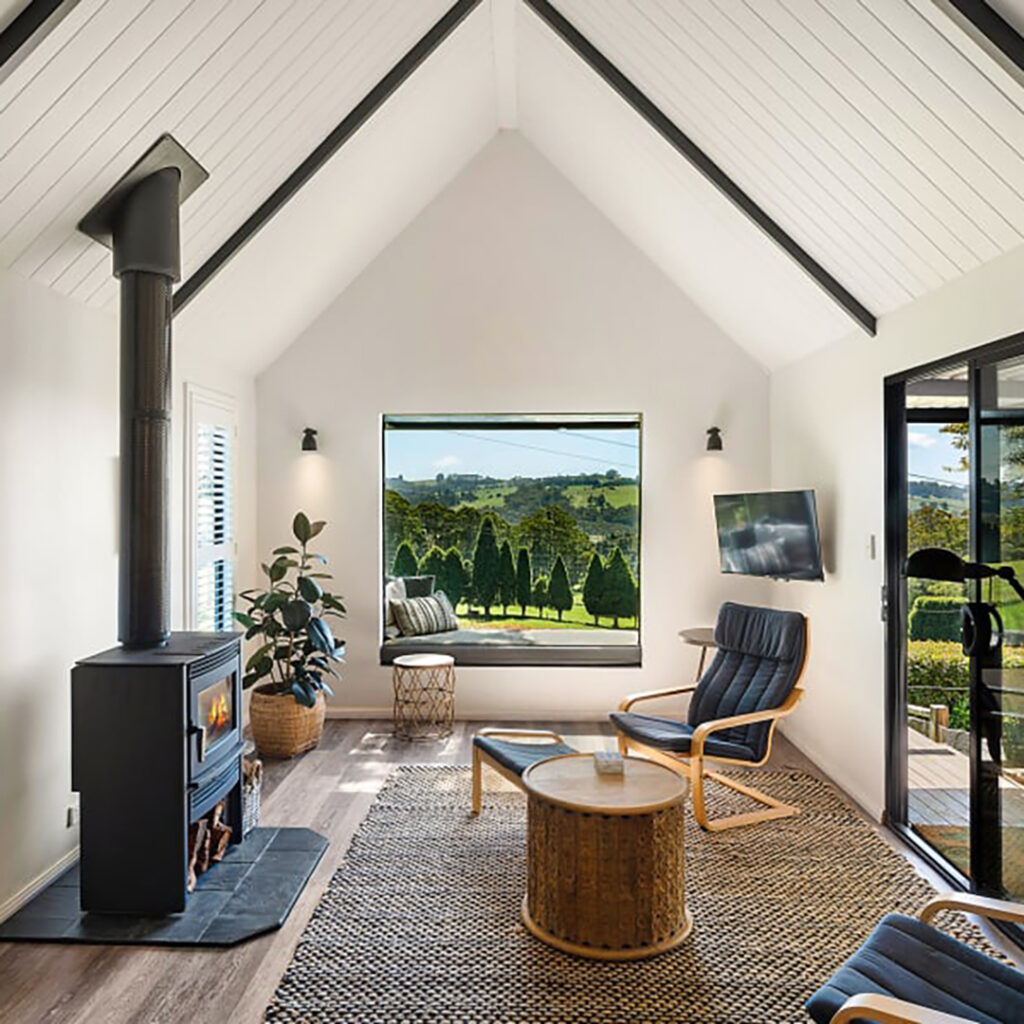
Building under NCC 2022
These changes may seem overwhelming, but your dream Cedarspan barn home is still within reach.
Our Design Solutioneers work with you from the start, so your Cedarspan meets the current requirements, and you understand both your immediate choices and your future responsibilities.
Contact us to start your Cedarspan journey.
For more information on the key changes in NCC 2022, please visit: https://ncc.abcb.gov.au/ncc-2022-overview-key-changes-articles
These are general guidelines and specific circumstances may cause variances. We always recommend seeking professional advice to determine your exact situation.
Ready to design your new barn home?
Download our Design Price Guide and get started.
Already downloaded our Design Price Guide and ready to take the next step?
Let’s meet. Book a callback from one of our friendly team.